



mud gun
The manufacturing of military protective materials demands advanced engineering techniques to ensure durability, resistance, and performance under extreme conditions. Among these techniques, cladding technology plays a pivotal role, particularly through processes such as weld overlay cladding and cladding rolling mill operations. These methods enhance the structural integrity of military armor, vehicle plating, and other protective gear by bonding high-performance materials to base metals. Understanding Cladding Technology in Military Applications Cladding technology involves bonding two or more dissimilar metals to combine their beneficial properties. In military applications, this process is crucial for creating lightweight yet highly resistant materials capable of withstanding ballistic impacts, corrosion, and extreme temperatures. One of the most effective cladding methods is weld overlay cladding , where a corrosion-resistant or high-strength alloy is deposited onto a base metal through welding. Weld overlay companies specialize in this technique, providing customized solutions for military armor and structural components. The overlay material, often an advanced alloy, enhances the base metal's performance without significantly increasing weight—a critical factor in military mobility. The Role of Cladding Rolling Mills in Military Material Production The cladding rolling mill is a cornerstone in the production of military protective materials. This process involves passing clad metals through heavy rollers to achieve uniform thickness, improved mechanical properties, and enhanced bonding between layers. Hot vs. Cold Cladding Rolling Hot Rolling: Used for initial thickness reduction, hot rolling in a cladding rolling mill ensures proper metallurgical bonding at high temperatures. This method is ideal for creating thick plates used in armored vehicles. Cold Rolling: The cladding cold mill refines the material further, improving surface finish, dimensional accuracy, and strength. Cold-rolled clad metals exhibit superior hardness and fatigue resistance, making them suitable for lightweight body armor and aircraft plating. Military applications benefit from both processes, as hot rolling provides structural integrity, while cold rolling enhances precision and resistance to wear. Weld Overlay Cladding for Enhanced Protection Weld overlay cladding is widely used in military manufacturing to reinforce critical components. For instance, tank armor often incorporates multiple layers of weld-overlaid metals to deflect projectiles and resist explosions. Leading weld overlay companies utilize advanced techniques such as laser cladding and plasma-transferred arc welding to ensure high deposition rates and minimal distortion. The advantage of weld overlay lies in its flexibility—different alloys can be applied based on specific threats. For example, a chromium carbide overlay may be used for abrasion resistance, while a nickel-based alloy provides corrosion protection in naval applications. Innovations in Cladding Processes for Military Use Recent advancements in cladding technology have introduced automation and precision controls, reducing human error and increasing repeatability. Robotic weld overlay systems, for instance, allow for consistent application in complex geometries, such as curved armor plates. Additionally, hybrid cladding methods combining weld overlay cladding with cladding cold mill processes are being explored to optimize material properties. These innovations ensure that military protective materials remain at the forefront of defense technology. The integration of cladding rolling mills , weld overlay cladding , and advanced cladding processes has revolutionized the production of military protective materials. From armored vehicles to personal gear, these techniques provide unmatched strength, durability, and resistance. As weld overlay companies and metallurgical researchers continue to innovate, the future of military protection will rely even more heavily on these sophisticated manufacturing methods. By leveraging cladding technology , defense industries can produce materials that meet the ever-evolving challenges of modern warfare, ensuring both safety and strategic superiority.

We have successfully executed over 500
projects around the world,
many first-of-their-kind
research projects and products in China, including
We have successfully executed over 500
projects around the world,
many first-of-their-kind
research projects and products in China, including
-
2004
The 1st hydraulic AGC system for hot rolling of ribbon steel
-
2006
The 1st AFC system used for 1450mm skin pass mill
-
2009
The 1st 5-stand tandem line with 2-stand POR & Uncoiler for 650mm ribbon steel
-
2012
The 1st reversing mill for 1380mm strip
-
2016
The 1st soft-rolling system used in skin pass mill
-
2019
The 1st fully automated medium-width tandem cold rolling mill
-
2021
The 1st 5000KN Twin-stand double skin pass mill
-
2022
The 1st coupled pickling line & tandem cold mill with two modes - big roller & small roller
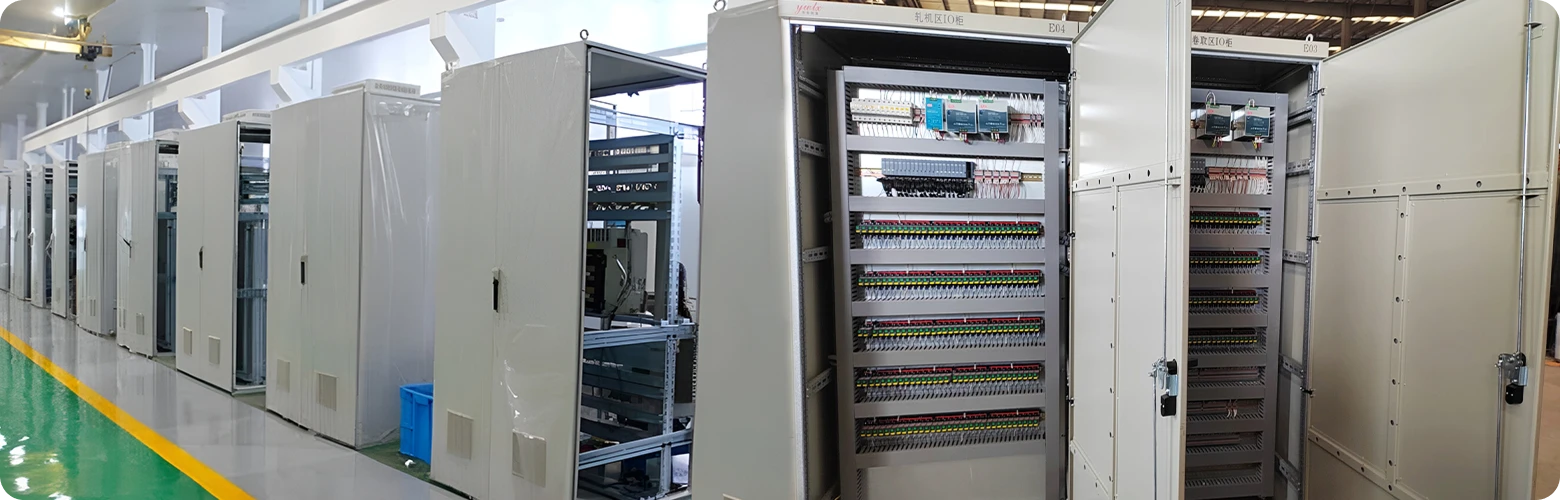
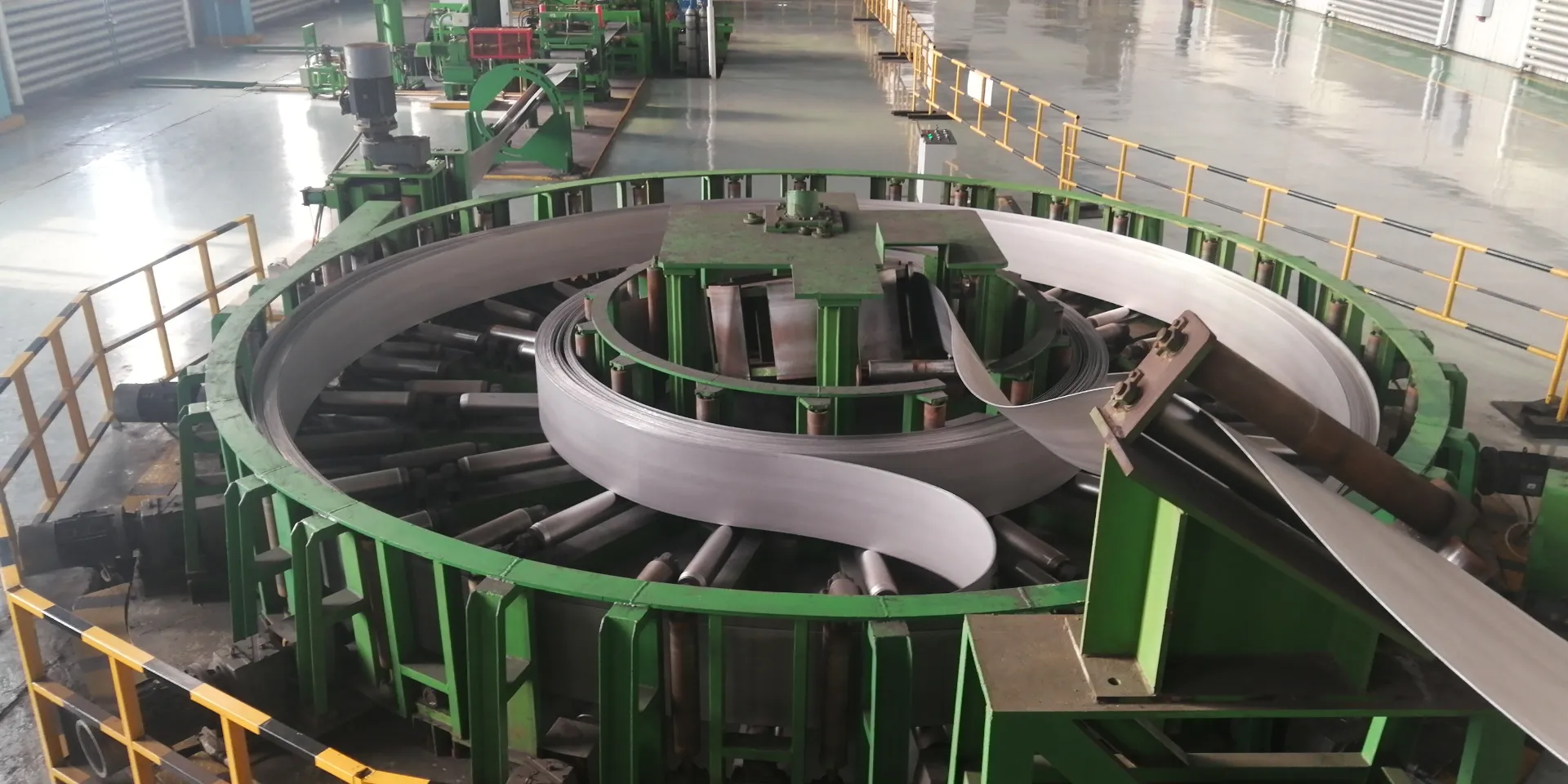
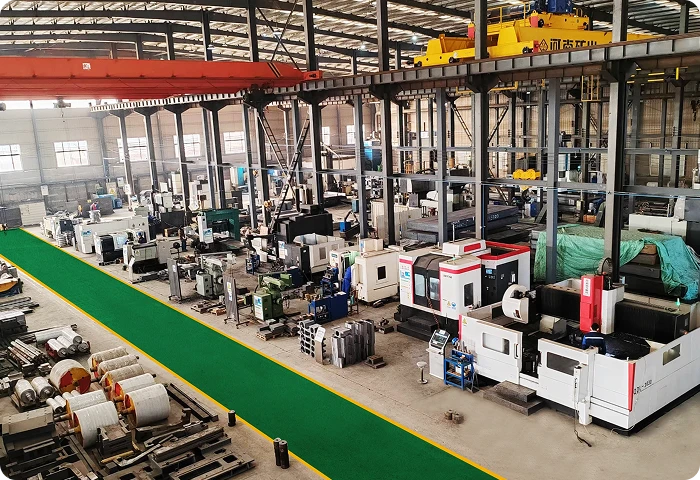
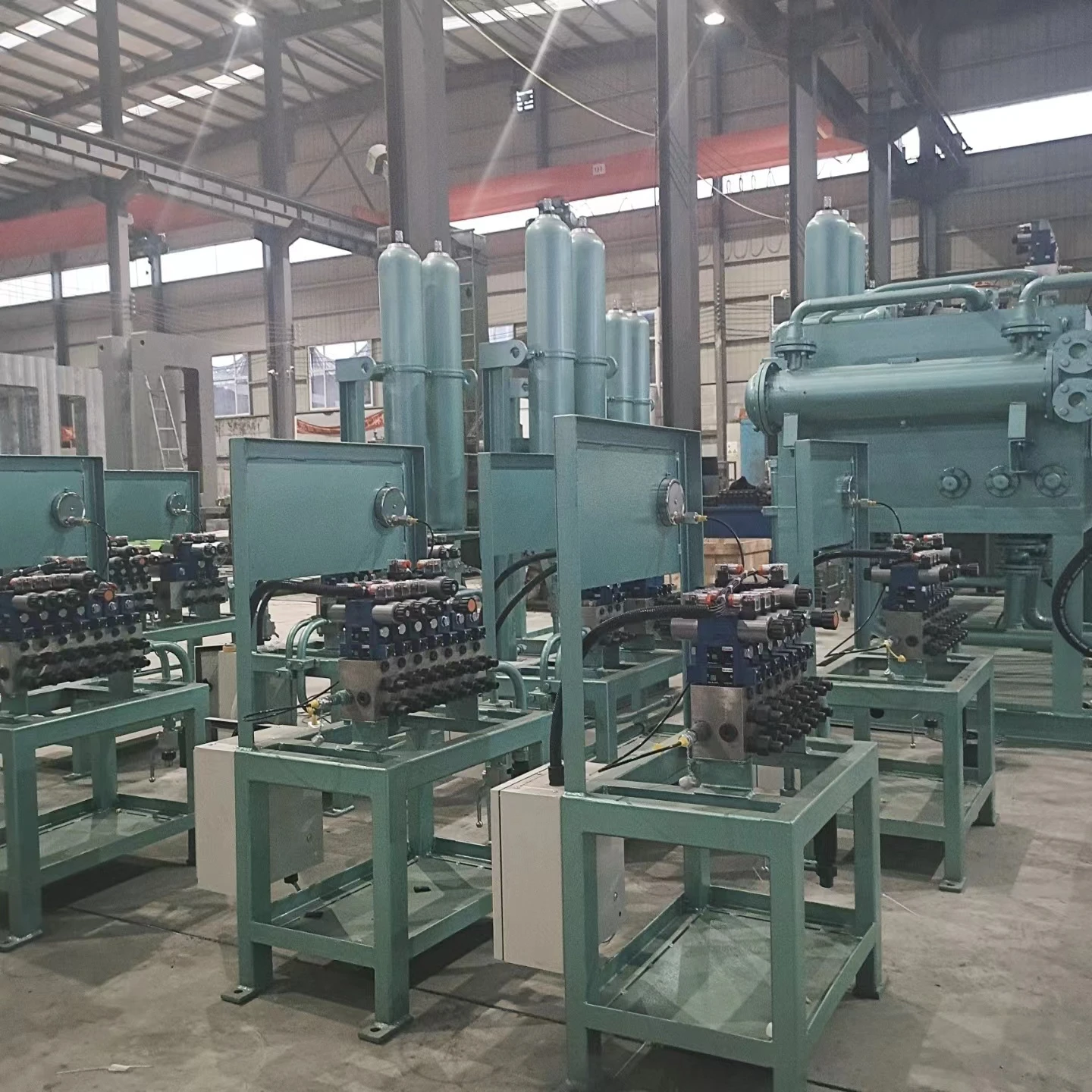
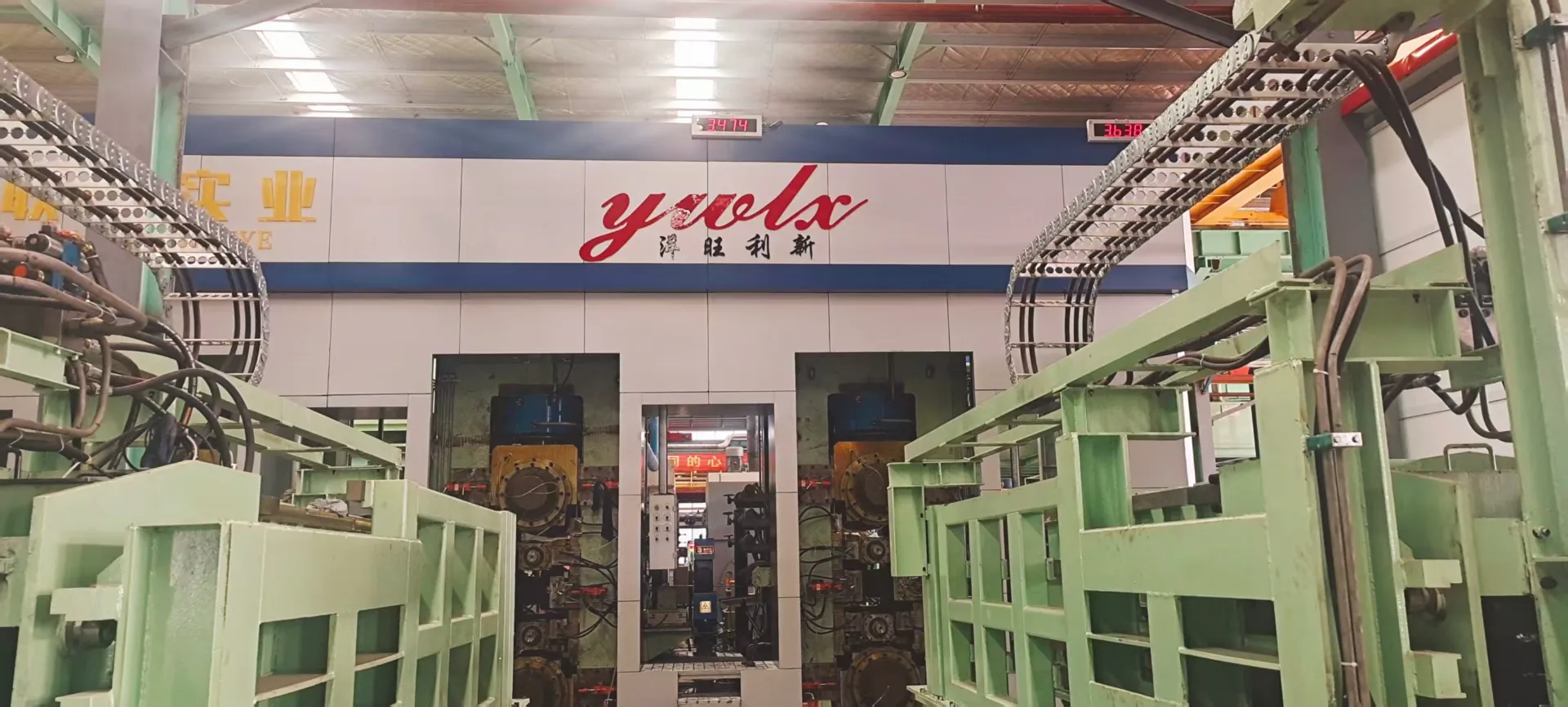
Yang Wang Li Xin operates a state-of-the-art facility over 66,000 square meters,and our manufacturing facility is fully equipped with high-tech machinery and high-capacity cranes. This enables us to handle large work pieces measuring 4.5m in width, 10m in length, and 1.5m in height, guaranteeing our capacity to produce 1800mm skin-pass mills and 1450mm rolling mills. The individual piece can weigh up to 100 tons.

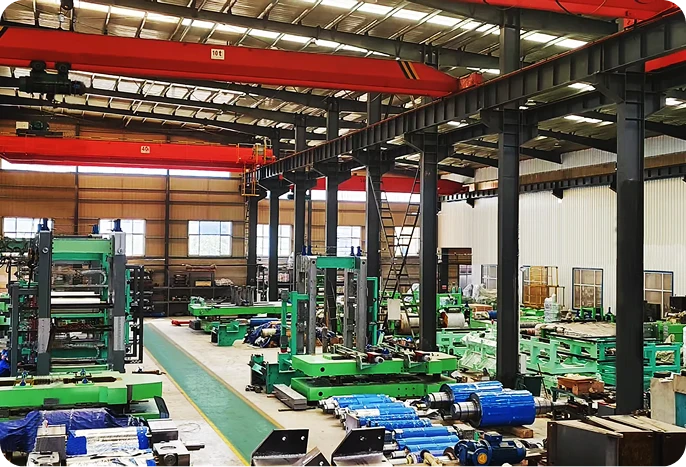

Quality is fundamental to the enterprise survival. We have established a comprehensive and meticulous quality management system and have successfully obtained ISO14000 certification. Starting from the design source, it supervises the entire production cycle, including design, procurement, processing, assembly, in-factory testing, installation, and online commissioning. The workshop is equipped with measuring tools like vernier calipers, spectrometers, hardness testers, and ultrasonic flaw detectors. They are used to check materials and control tolerances to ensure the final equipment meets or exceeds requirements. All products have a unique code, This enables the easy identification and traceability of the equipment components and ensures full control of quality.


-
 Reversible Rolling Mill | High-Precision, Flexible EfficientWhy a Reversible Rolling Mill still punches above its weight In an era obsessed with continuous mills, the humble Reversible Rolling Mill keeps showing up in boardroom spreadsheets and maintenance logs for one good reason: flexibility. To be honest, the best operators I’ve met love the control it offers—one pass forward, one back—tight gauge, smarter corrections, less scrap. And when a line like Y
 -
 tempérament passe moulinLe monde de la métallurgie moderne est marqué par des avancées technologiques significatives, et le « структурный прокатный стан » en est un parfait exemple. Dans l'industrie de la transformation des métaux, ces laminoirs structuraux jouent un rôle essentiel en offrant efficacité, précision et rentabilité. L'utilisation de laminoirs structuraux n'est pas seulement une question de préférence, mais
 -
 side shearing defectSide shearing defects, while a specialized subject within industrial manufacturing processes, are critical for understanding how to improve product quality, minimize waste, and ensure efficient production. This article offers a deep dive into side shearing defects, covering their nature, causes, prevention, and resolution, guided by the principles of Experience, Expertise, Authoritativeness, and T


